
Comparison-shop European bike tours long enough and the listings start to blur. Similar routes, similar photos, similar mileage, and prices that look close enough to make you wonder what separates one week from another. The route is rarely the answer. What actually shapes your trip is everything built around it: who meets you, where you eat, who rides beside you, and how thoroughly someone checked the whole thing before you arrived. That’s where BRAG International invests, and it’s the part that doesn’t fit neatly on a price comparison.
What Every BRAG International Tour Includes
Three things travel with us on every trip, no matter the country.
American Guides Who Know What You Expect
Every tour rides with BRAG guides, American guides who have covered the route many times and understand how U.S. travelers like to be looked after. European tour staff are professional and often excellent. Even so, hospitality norms differ across cultures, and plenty gets lost in translation: how questions get answered, how fast a problem gets solved, how much attention feels welcome. Our guides close that gap.
A Community, Not a Passenger Manifest
This may be the biggest difference of all, and it’s the hardest to put on a chart. On most European bike tours, you join a mixed international group, and American guests often find themselves the only native English speakers in the room. Anyone who has traveled in a group also knows the other risk: a few fellow travelers you spend seven days trying to avoid.
You ride with fellow BRAG riders instead. These are Americans with a shared cycling background, similar expectations, and usually a few mutual friends from rides back home. Friendships form by day two. By the end of the week, people are comparing calendars for next year.
Every Mile Ridden, Every Hotel Slept In
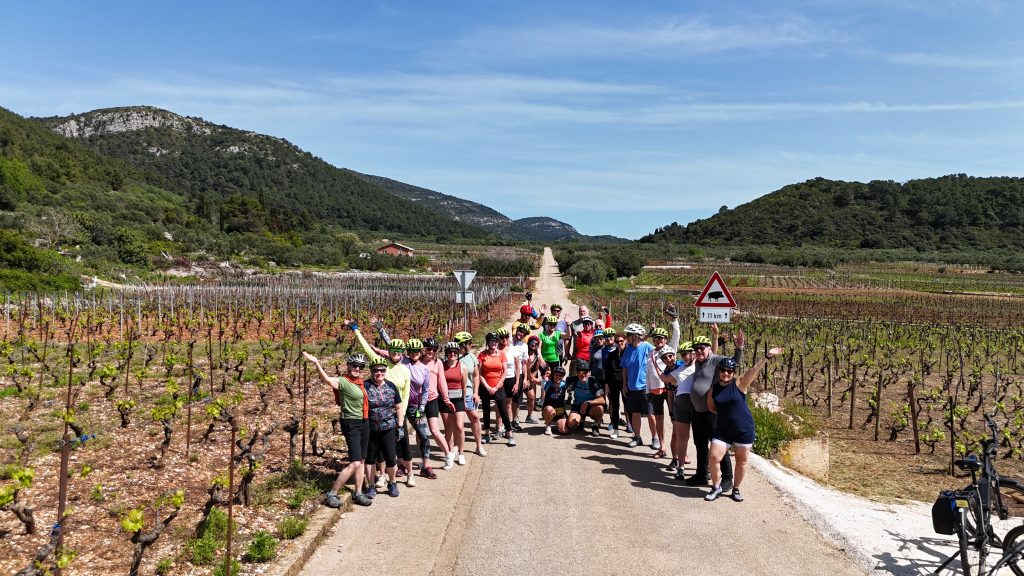
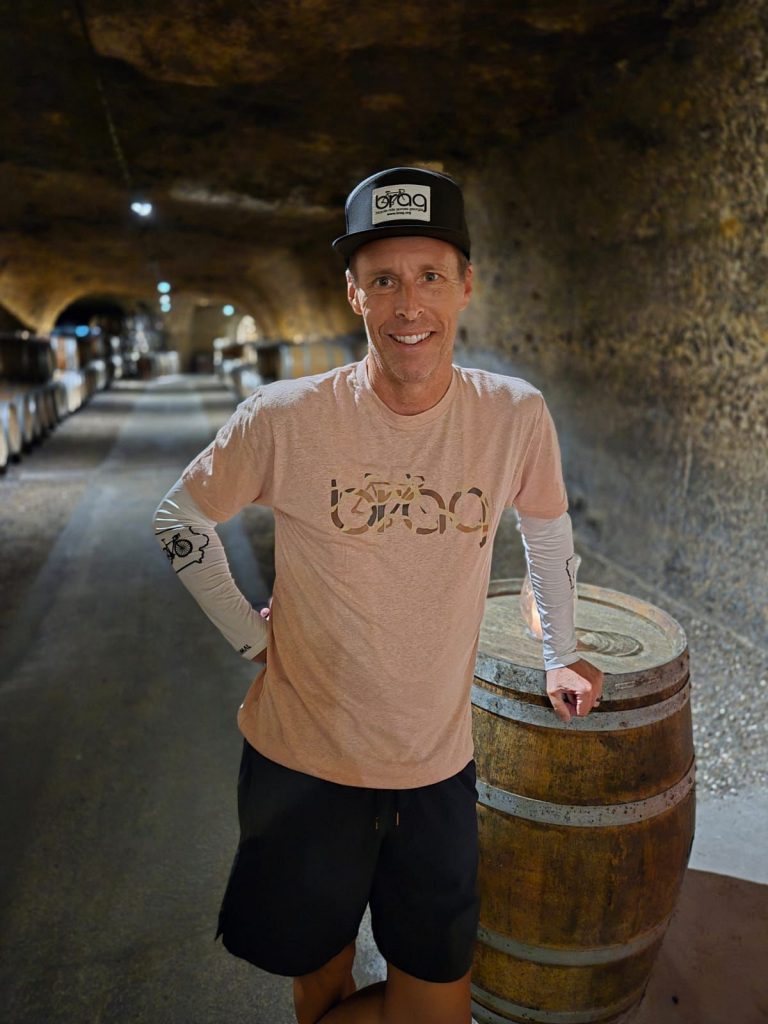
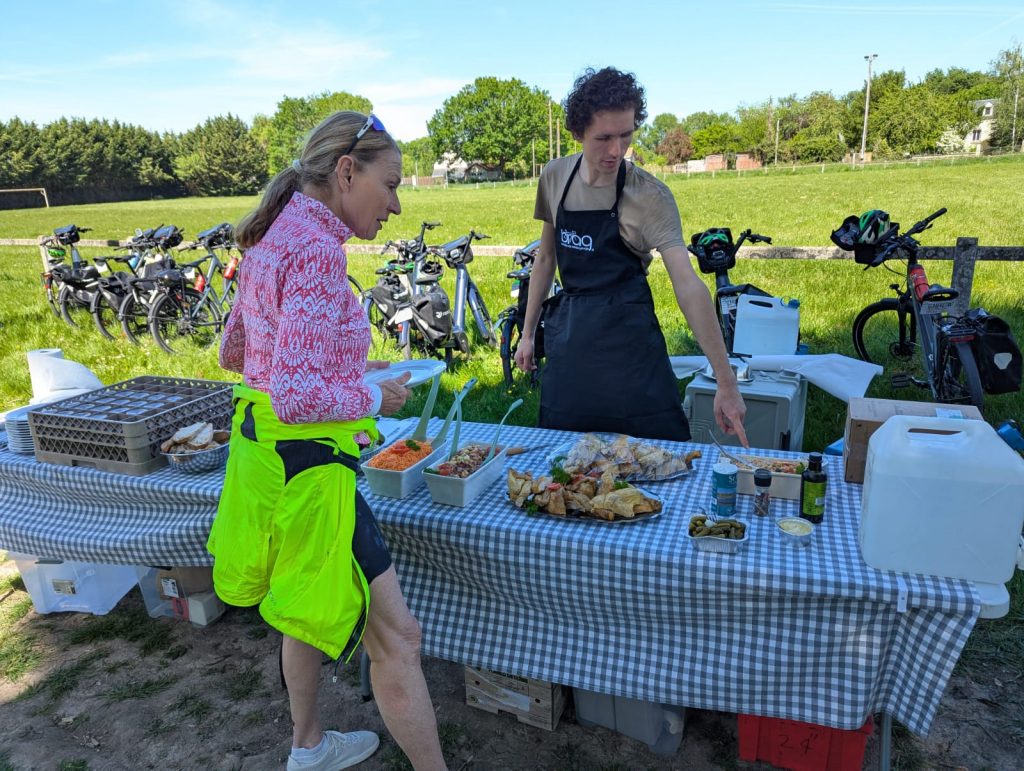
Before a tour goes on sale, we go do it. Not a sample day, but every single mile. We stay in the hotels, eat in the restaurants and cafés, and test the amenities ourselves.
That process has teeth. We’ve scouted entire tours and declined to sell them because they didn’t meet BRAG International standards. Furthermore, we’ve replaced hotels and swapped restaurants on itineraries we kept, simply because they weren’t good enough. As a result, nothing reaches our guests on the strength of a brochure and a partner’s promise.
Every Trip Is Built for Its Destination
Beyond those constants, our tours aren’t identical, and they shouldn’t be. A canal ride through Flanders asks for different things than a week in the Loire Valley or a coastal itinerary in Dalmatia.
So the extras vary by trip. Some tours lean into transportation and logistics. Others lean into food, wine, or cultural access you’d struggle to arrange yourself. In each case, we ask the same question. What would make this specific week extraordinary? Then we go get it.
Below are a few real examples.
Belgium & the Netherlands: Seamless Arrivals
Consider the first morning of our Bruges-to-Amsterdam tour. You land after an overnight flight, jet-lagged, hauling luggage and possibly a bike case, in a country where you don’t speak the language.
We meet you inside the airport and take you directly to the vessel. No train tickets, no wrong platform, no dragging a bag across cobblestones at 8 a.m. Your trip begins the moment you clear customs rather than three stressful hours later. For guests who’ve spent that first day fumbling through a foreign transit system on a previous trip, this alone reframes the whole arrival.
France: Dining at the Level the Region Deserves
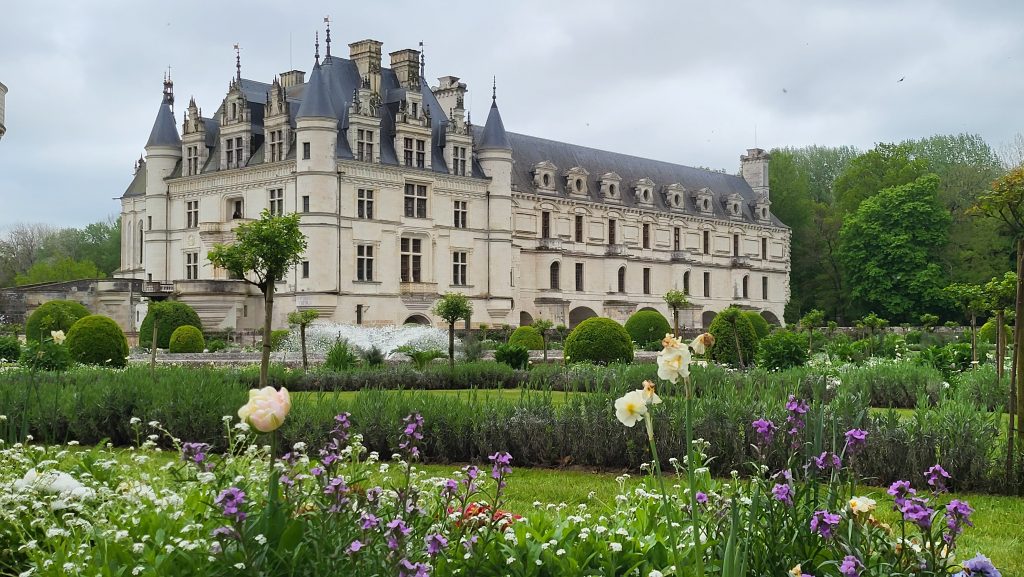
The Loire Valley is one of the great food and wine regions on earth, and we plan our France tours accordingly. Guests dine at four- and five-star restaurants along the route. These are the kind of tables that take planning, relationships, and a willingness to spend more per plate than a standard tour budget allows.
That’s a deliberate choice. Cycling past vineyards all afternoon and then eating a forgettable dinner would be a wasted opportunity. Instead, the evenings become as memorable as the miles.
Croatia: Wineries, Olive Oil, and Local Konobas
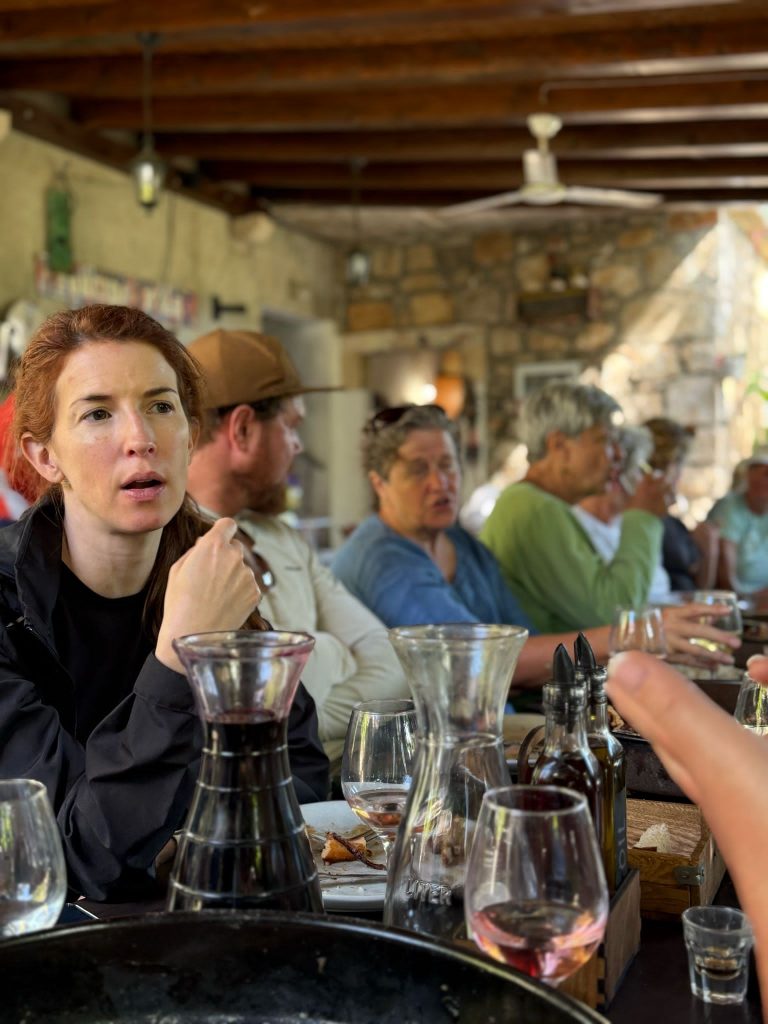
Our Croatia itinerary layers in cultural experiences that simply aren’t part of a standard European charter. Guests visit several wineries, sit down for olive oil tastings, and eat at local konobas, the family-run Dalmatian taverns where the food is unhurried, regional, and genuinely local.
We didn’t find those places on a booking site. Rather, our team ate its way through the alternatives and picked the ones worth your evening. Consequently, you spend real time ashore among Croatians instead of watching the coastline slide past from a deck chair.
How to Compare European Bike Tours Honestly
When two quotes look similar, read the inclusions rather than the itinerary. Ask what happens on arrival day. Ask where you eat, how often you’re off the boat or out of the hotel, and what cultural access is arranged for you. Ask who’s guiding, and who else is coming.
In our experience, the gap in price is almost always smaller than the gap in what you receive.
The Question That Answers Itself
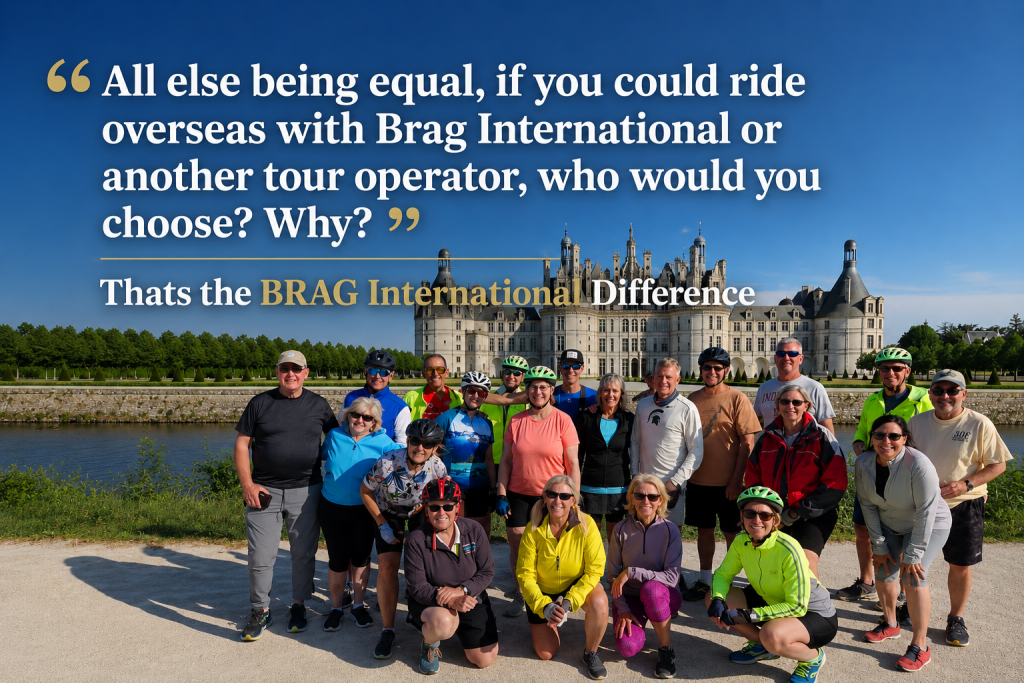
Try a thought experiment. Suppose two operators offered the identical route, the identical hotels, and the identical price. One trip is ours. The other belongs to a company you’ve never ridden with. Which do you book?
Nearly everyone answers the same way, and they answer fast. That instinct is worth paying attention to, because whatever reason surfaced in your head is a real reason. Maybe it’s the guides. Maybe it’s knowing who else will be at dinner. Perhaps it’s simply trusting that someone has already ridden the road and vetted the hotel.
Whatever it was, that’s the BRAG International difference. It isn’t a marketing line. It’s the thing you already knew before you finished reading the question.
Here’s the part worth sitting with: those reasons don’t evaporate when the prices stop matching. If a benefit is valuable at an equal price, then it’s still valuable at a modest premium. The only question left is what that premium actually buys, and we’ve spent this whole article answering it.
Dollars and Euros Aren’t the Same Number
There’s one more trap in that comparison, and it catches experienced travelers all the time. Most European operators price their tours in euros. We price ours in U.S. dollars.
So a €3,200 listing sitting next to a $3,900 listing isn’t the bargain it appears to be. A euro is not a dollar. Over the past two decades the euro has ranged from roughly parity to well past $1.25, and it moves constantly. Economic data, central bank decisions, and geopolitics all push it around, sometimes by several percent in a matter of weeks.
That volatility lands squarely on you. On a €3,200 tour, a swing from $1.10 to $1.25 adds nearly $500 to your final cost, and you won’t know the damage until your card is charged. Foreign transaction fees and your bank’s conversion spread then take another bite on top.
When we quote a price in dollars, that’s what you pay. No conversion math, no exchange-rate roulette between deposit and departure. Before you judge one tour cheaper than another, therefore, run the euro figure through a currency converter at today’s rate. Then ask yourself what that rate might be on your travel date.
Now Look the Other Direction
The same logic works at the top of the market. Premium American operators such as Backroads and DuVine run genuinely good trips, and they frequently charge close to twice what we do for a comparable week.
So pull up their itineraries and read the hotel names. Then read ours. Time and again you’ll find the same properties, and in some cases we’ve booked better ones. The reason is straightforward. Our groups travel together in sufficient numbers to negotiate real rates at real hotels, and we pass that buying power along instead of building a luxury price tag around it.
Meanwhile, the things that actually distinguish a great week abroad are already on our list. American guides, a group you’ll enjoy, meals and experiences chosen in person, and a route ridden mile for mile before it ever went on sale. Paying double doesn’t add another guide to your table or another friend to your dinner.
The Takeaway
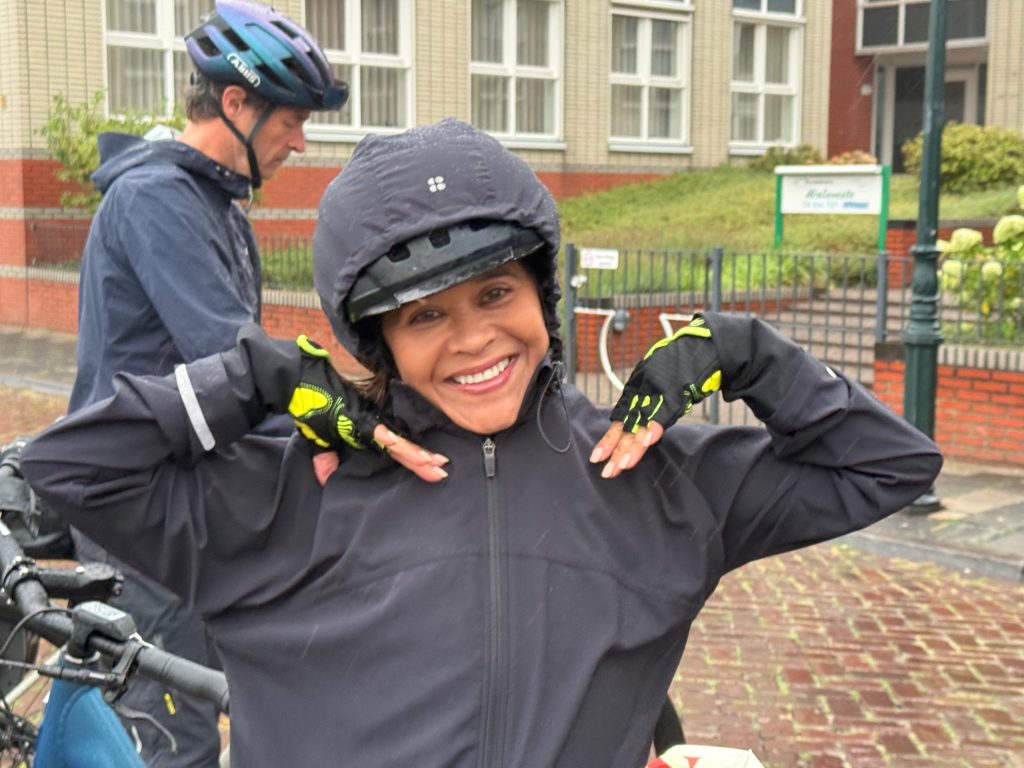
European bike tours share rivers, roads, and regions, but they don’t share standards. Depending on the trip, a BRAG International week might include airport-to-vessel transfers, four- and five-star dining, winery visits, olive oil tastings, or dinner at a konoba we personally vetted. Every trip includes American guides, a group of like-minded riders, and a route someone from BRAG has already ridden mile for mile.
Ask yourself the question one more time. All else being equal, who would you rather ride with? Then go find out what’s included on a specific departure. Explore our upcoming international tours, request a brochure, or join the BRAG International mailing list to hear when next season’s trips open.
- “Bruges-to-Amsterdam tour” → Bruges-to-Amsterdam tour page
- “France tours” → Loire Valley tour page
- “Croatian Island Tour” → Croatia tour page
- “Italy Tour” → Italy tour page
- “Portugal Tour – Alentejo” → Portugal tour page
- “Ipcoming international tours” → International Tours index page
